
I recently attended a virtual conference packed with expert panels and practical sessions. One theme stood out across every track: Teams often rush to build before they truly understand what needs to be solved. It’s a common trap in fast-paced environments; we race to deliver, show progress, “Get Things Done.” But speed without alignment is waste, and delivering Features that don’t solve meaningful problems is just another form of Tech Debt.
One of my favorite sessions was a guest speaker from Solution Design Group, Jason Scherschligt. He took a deep dive into the importance of Requirement Refinement (not just gathering initial requirements). His talk highlighted the importance of understanding the Problem Space – requirements shouldn’t just be checkboxes defined at the beginning of the Agile machine, rather, they should be the heartbeat of successful Sprint cycles, consistently revised and reconsidered.
Too often we jump straight into Project Plans or filling Sprint Backlogs with significant pressure to showcase value. But collectively marinating in the Problem Space long enough for all stakeholders – from product managers to leadership and engineers – to develop a shared, unambiguous understanding of the use case can substantially enhance long-term value, even though it feels uncomfortable.
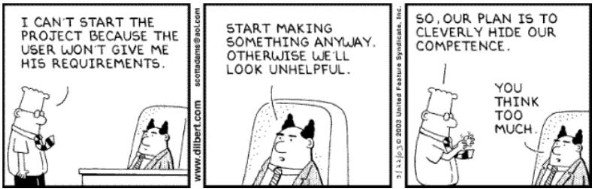
This conference drove home the difference between a Project mindset, which prioritizes finishing soon, versus a Product mindset, which focuses on solving the right problems for enduring value. Without properly defining the why behind the work, we’re delivering tickets rather than outcomes. If we’re not refining our requirements with discipline and empathy, we’re not building a product — we’re just shipping Features into the void.
The Trap of Premature Solutioning
Most Agile teams are good at Delivering — but not always at Discovering. When we skip the depth of exploration and move too quickly into implementation, Stakeholders talk past each other, Engineers jump straight into building what may not be needed, and Features ship on time but go unused.
Skipping to Solutioning often feels right in the moment, only to later realize that we missed the mark. We mistake Velocity for Progress and confuse Output with Impact. I’m frequently guilty of this – my wife calls me out for trying to “solve” a problem, when really I just need to better understand what’s going on.
Premature Solutioning often stems from pressure to execute and an overemphasis on Velocity.
Backlog Refinement should always be collective contextualization of the Ask, not waiting until something is “Fully Defined” to then handoff for Effort estimation and assignment for Delivery. Teams that treat Refinement as a collaborative thinking space to elevate shared understanding – not just a sprint checklist item – build smarter, more targeted solutions.
By staying in the Problem Space longer, Teams are empowered to challenge unvalidated assumptions and uncover root causes instead of putting Band-Aids on symptoms. If we explore multiple angles before converging on one solution, we can avoid wasting cycles on elegant answers to irrelevant questions. What some may write off as “Analysis Paralysis” can truly be focused discovery that saves time downstream.
Project vs. Product Mindset
When we focus solely on delivering Features and finishing the Project, we may hit deadlines but miss impact. A Product-centric Approach embraces agility not just in delivery, but in problem framing and value validation. This shifts how refinement sessions are run, how acceptance criteria are written, and how decisions are made.
A Project mindset says:
- “When can we finish this?”
- “What’s in scope?”
- “How do we stay on schedule?”
- “Does this meet all previously defined requirements?”
A Product mindset asks:
- “What problem are we solving?”
- “How will we know it worked?”
- “What else do our users need?”
- “Does this deliver long-lasting value that will endure?”
Final Thoughts: Build with Purpose, Not Just Pace
Refinement shouldn’t be a formality — it’s a fulcrum that requires collaboration. When done correctly, it aligns teams, sharpens our focus, reduces rework, and transforms the Agile SDLC from a delivery machine into a value engine. By staying in the Problem Space longer and cultivating a Product Mindset, we ensure that what we build is not just delivered — it’s meaningful and enduring.
Slow Down.
Ask Questions to Understand, not just Answer.
Focus on what Matters.
Be First to Comment